News

News

Latest news and updates from our company

zhejiang nhu company overview
2026-05-08

zhejiang nhu company overview

In the chemical manufacturing world, Zhejiang NHU stands out because its development didn’t come by accident. For decades, teams at the chemical plants have tested, refined, and scaled up processes that serve industries far beyond the borders of China. In our halls and on our work floors, people talk more about solvents, vitamins, and specialty intermediates than buzzwords and trends. Operations run daily with a clear priority: manufacture consistent, high-quality compounds that meet customers’ specific technical demands—and support them through every production shift and shipment.Most outsiders see facilities and product brochures. Inside, the focus always rests on the realities—production lines that must run safely and predictably; equipment upgrades that eat up capital but save costs and reduce quality variation down the line; researchers in labs who spend years on a single synthesis route before scaling it for real shipment volumes. Over time, this investment mindset shapes every batch, every container sent out the door. Zhejiang NHU moved away from simply reacting to price competition. Instead, the groundwork now supports product quality that customers in veterinary, health, and advanced material industries demand, whether they order five barrels or five truckloads.Chemical manufacturing looks simple on spreadsheets, but delivering thousands of tons while guaranteeing exact purity pushes both people and equipment to their limits. Zhejiang NHU invested in large-scale reactors, purification columns, and automated controls, but accuracy still depends on skilled chemists and quality teams who know the manufacturing quirks. It’s easy to produce something once; repeating it batch after batch, through seasonal shifts and equipment changes, takes a company-wide discipline. Batch records, continuous staff training, and responsive maintenance crews allow output that global clients rely on, whether for feed additives or advanced intermediates. Mistakes get caught quickly and never ignored.Discussions on innovation in chemistry often stay in labs, but the hard part comes in making new molecules run efficiently in reactors day after day. Over the years, Zhejiang NHU built R&D pipelines that take discoveries from bench to full-scale plants. Scientists and engineers translate new synthesis steps into procedures that work at scale. Sometimes an improved route cuts waste streams or reduces energy. Sometimes a proprietary catalyst boosts yield for a vitamin or aroma intermediate from ninety percent to almost perfect. Few customers see these engineering victories directly, but they show up in better batch records, shorter turnaround times, and the next generation of products with lower environmental footprints.Manufacturers feel many kinds of pressure, but worker safety and environmental controls never leave the agenda. Every process line—whether for vitamins, aroma chemicals, or high-purity intermediates—requires systems to catch leaks, monitor emissions, and protect people. Zhejiang NHU operates in a regulatory landscape where authorities don’t tolerate shortcuts, so environmental investments are not just for appearance. This means adopting waste treatment, energy-saving equipment, and emission controls that meet ever-tighter standards. Committees monitor data, anticipate problems, and review near-miss incidents. From a manufacturer’s point of view, keeping a clean, well-managed site isn’t about checking boxes; it’s what keeps the plants running and the company off the front page for the wrong reasons.Downstream industries rely on consistent input. Whether formulating a feed premix, compounding a nutritional product, or blending a performance material, manufacturers count on tight, predictable shipments. We hear regularly from customers whose own processes depend on the lot-to-lot consistency of our ingredients—without variation in particle size, color, or solubility. Technical teams answer these requests not just with paperwork, but with robust quality tools, real-time adjustments, and technical troubleshooting for both routine and unusual questions. This support doesn’t stop after contracts get signed or containers delivered. We believe helping customers solve everyday production challenges builds loyalty that no price competition can erode.As the field shifts toward more specialized and value-added molecules—think micronutrient formulations, high-purity intermediates for electronics, and tailor-made aroma chemicals—the skill set of a manufacturer must keep up. Zhejiang NHU’s growth story involves adopting more advanced process controls, training staff in modern analytical chemistry, and working closely with global partners who demand transparency and traceability from supplier to end-user. Delivering on these expectations isn’t easy, but ongoing upgrades ensure that products don’t just meet minimum standards; they meet best practices recognized worldwide.Chemistry relies heavily on trust—companies want assurance that their ingredient source understands what’s at stake in the broader supply chain. During past raw material disruptions and logistics bottlenecks, manufacturers like Zhejiang NHU kept lines running through inventory planning, diversified sourcing, and rapid response teams ready to adapt to any curveball the market threw our way. This type of resilience isn’t flashy. It grows out of years of experience, risk assessment, and internal capability building. End users and B2B customers don’t always see the extra investments made behind the scenes, but these are the real foundation for long-term supplier relationships.Zhejiang NHU’s story is one of scale built on technical rigor and steady evolution. No manufacturer claims a journey without setbacks, but the lessons stick—better monitoring, more rigorous audits, and honest feedback loops from both internal teams and international customers. As product categories get more complex and customer requirements ratchet higher, adapting will mean more than just scale-up. Advanced sustainability initiatives, circular chemical strategies, and digital integration sit on the horizon, but even as these trends grow, the work never strays far from the fundamentals: safe production, quality performance, and reliability built from decades of hard-won experience in chemical manufacturing.
Read More
zhejiang nhu methionine
2026-05-08

zhejiang nhu methionine

Manufacturing methionine never stands still. The feed industry depends on it for animal nutrition, especially for poultry and swine. Raising animals without supplemental methionine creates inconsistent growth. Over decades, we've learned how best to integrate this amino acid into intensive animal production, adjusting our processes for what our customers actually see on their farms. Benchmark production targets keep rising, and it’s not just about making quantity—it’s about consistent, reliable supply through every stage, from sulfur chemistry upstream to final feed-grade output. Every ton produced reflects not just chemical know-how, but also the coordination of logistics, supplier partnerships, utilities management, and safety controls. Methionine manufacturing at scale centers on careful sourcing. The slightest disruption in sulfur, acrolein, or methyl mercaptan can halt a production line for days. Raw material volatility, such as the jumps in crude oil or natural gas pricing, trickles down affecting costs all the way to the end-user. During tight global periods, such as pandemic years, maintaining full operation proved possible only because of prior investment in supply chain monitoring and on-site storage. We’ve seen how quickly the market responds when even a single producer faces an outage; the price surges, customers scramble for supply, and reputation gets tested. For NHU, operational stability grows from redundancy and strong local partnerships. Cutting corners may save in the short term but always costs more later, especially in lost trust from long-standing partners.Continuous upgrades remain the backbone of producing a competitive product. Years went into automating our reactors for tighter temperature and pressure control, which cut down process losses and enhanced product consistency. Each new process technology, though, brings in a need for skilled operators, retraining, stricter safety oversight, and rigorous emissions controls. One lesson stands out: improvements are only as effective as the training and attention given to front-line staff. Any lapse during adoption—such as a misjudged setting or a skipped maintenance check—leads straight to downtime. Peer producers in China and abroad exchange information, but local context always determines if a particular innovation fits. We continually compare our yields, utilities usage, and emissions benchmarking. The challenge isn’t just keeping up, but pinpointing the exact areas where resources create the most improvement. The communities around every methionine plant push manufacturers to answer for odors, emissions, and water use. Residents and local governments take a keen interest, especially as plants increase capacity. Standards have tightened so much that what counted as compliant five years ago would not pass inspection today. Scrubber systems, wastewater recycling, and better sealing of equipment all cost millions in upgrades and daily operation. Yet investment has brought its own returns. Lower emissions have reduced complaints and let us retain our production licenses even as rules shifted. Being proactive pays off more than a last-minute scramble to meet new requirements. It’s clear from experience: only by treating neighbors as partners can an industrial plant remain rooted in its local environment for decades.Global buyers expect not only stable supply but also transparent production standards and proof of ethical sourcing. Over time, price wars alone no longer create advantage. Customers demand independent audits, certification, and traceability. Our buyers know they can check onsite and follow every shipment back to its origin. Years back, a single misstep in documentation could set back export approvals for months. In Europe and Southeast Asia, buyers grew more sensitive to both supply risk and product origin following several high-profile shortages. Internal compliance teams monitor not just what goes out the door, but also the factory’s labor practices and energy sources. Long-term contracts get awarded to suppliers who deliver both reliability and transparency. The learning here: those who ignore the scrutiny of outside eyes soon get shut out.Real progress in chemical manufacturing comes not from slogans but from encouraging each step of improvement, no matter how small. Factory supervisors, maintenance crews, and shift managers contribute suggestions on everything from valve placement to scheduling revisions. Some of the strongest gains in output per worker have come from adopting suggestions from those closest to the equipment. Safety committees gain teeth by acting on the suggestions of operators who actually see risks daily. The job never ends; tweaks made in a night shift ripple through to save energy, cut waste, or prevent a future breakdown. Our experience tells us that running a modern methionine plant means listening as often as instructing. Factories thrive when communication crosses levels; stale hierarchies dampen innovation and responsiveness.Animal nutritionists constantly adjust feed formulas based on research and price swings. Over recent years, shifts toward antibiotic-free production and specialized poultry breeds forced us to respond with new product forms and improved dosing. We had to update our granulation methods, fine-tune flow characteristics, and sometimes invest in new packaging lines. Speed of adjustment often separates those who win new business from those who stick with yesterday’s formula. Feedback from feedmills and large integrators helps set the focus—if pellet quality drops or dosing becomes inconsistent, the blame circles back fast. Here, close technical support keeps customers loyal. Instead of issuing standard solutions, direct visits to customer facilities and quick adaptation bring the best results.Over the years, every plant faces its share of natural and man-made disruptions: storms, power cuts, tariffs, epidemics. One of the hardest lessons came from watching competitors recover faster after an unexpected shutdown. Disaster drills matter, but the true test lies in flexibility—alternate power lines, local spare part stock, backup suppliers, and a staff trained to switch gears at short notice. Only with these in place does a plant keep fulfilling commitments even as shocks hit. Modern customers have limited patience for excuses; only delivery speaks. Experience showed that those prepared ahead restored operations in days instead of weeks, protecting both market position and workforce livelihoods.Manufacturing methionine at Zhejiang NHU has never been about a single finished product. It stretches from safe, compliant process management and careful supply coordination, across panel after panel of monitored machinery, and lands squarely in the hands of farmers and feed integrators. Every time we see progress—whether from emission reductions, line improvements, or quicker response to a feed mill’s needs—it comes from focusing on practical realities, not chasing marketing trends or copying competitors. In our line of work, listening to community concerns, reviewing production statistics, investing in staff know-how, and making sure shipments arrive right—all connect to the promise we make to our customers and neighbors every day.

Read More
zhejiang nhu pharmaceutical co.,Ltd.
2026-05-08

zhejiang nhu pharmaceutical co.,Ltd.

Walking down the production halls of a chemical manufacturing plant reminds you just how much sweat and intellect go into every kilo delivered. When looking at Zhejiang NHU Pharmaceutical Co.,Ltd., those of us mixing, synthesizing, and purifying complex compounds notice something familiar. The growth pathway taken by NHU—expanding from vitamins and feed additives toward larger swathes of the pharma and specialty chemical markets—doesn’t rely on hype or empty promises. It takes significant research investment, years of process optimization, and daily attention to environmental management. In this industry, shortcuts can cost more than profit; reliability in supply stems from repeated cycles of process engineering and troubleshooting. Firms at the producer level recognize each supply chain hiccup, energy price swing, or regulatory shift as a real challenge—not just a market footnote. Maintaining uptime across several sites, all while scaling up campaigns to meet new global standards, means hard choices about raw material sourcing and infrastructure upgrades. NHU’s upward path comes from a level of vertical integration and attention to innovation that most manufacturers find tough to emulate. Sourcing pure feedstocks and achieving high yields aren’t negotiating points—they’re make-or-break matters for a factory’s bottom line. From this seat, it’s clear that NHU’s success comes from more than just economies of scale. Cultivating proprietary catalyst systems, running continuous distillation, and refining biotransformation technologies all serve one goal: producing clean, reproducible output batch after batch. Every kilogram matters when a customer sits on the other side of the world, waiting on antibiotics, nutraceutical ingredients, or specialty chemical intermediates. Minor process drift, a fluctuation in solvent re-use rates, or shifts in utility steam can spell downtime or rework. Plants like ours keep these in check by combining routine lab analytics with practical, boots-on-the-ground expertise. NHU’s scale doesn’t protect it from these realities—if anything, it amplifies them. Line managers face a constant push for higher purity, tighter specifications, and new environmental controls, particularly as pharmaceutical regulations tighten worldwide. Any supplier offering new compounds or APIs needs documented quality assurances and robust safety protocols, not just a polished website or aggressive pricing models. Every manufacturer encounters periods when margins take a hit because of overcapacity or cutthroat competition. We’ve seen times when prices dip below raw material costs, requiring years of patience and continual reinvestment. NHU faces the same market dynamics, especially given the commoditization of certain vitamins and amino acids. The reason some firms thrive under these conditions comes down to institutional discipline and smart capital allocation. Our shop learned early that bankrolling incremental plant upgrades—rather than chasing shiny new projects—yields better long-term stability. NHU’s willingness to invest in upgraded instrumentation, waste management, and green chemistry probably plays a bigger part in its reputation than any marketing campaign. In markets like pharmaceuticals, where recalls or compliance breaches can end decades-long relationships overnight, real commitment to consistent process control shapes both customer trust and regulatory goodwill. Investment in site safety, emission controls, and operator training are non-negotiable, and they show up directly in productivity ratios and customer re-orders.Many outside the plant walls talk about innovation as if it springs from thin air. Veterans of the shop floor see a different reality. Breakthroughs usually come from months of incremental tweaking, dozens of failed lab runs, and endless collaboration between R&D and production teams. NHU’s record on scalable fermentation processes and application of biocatalysis mirrors the kind of progress achieved when lab and plant engineers work side by side. Adjusting pH profiles, finding robust anti-foaming solutions, or dialing in optimal cycling times doesn’t fit on a neat press release. Solutions are often messy, iterative, and driven by practical constraints—limited reactor headspace, unexpected impurity accumulations, or the challenge of integrating new instrumentation into legacy systems. Firms fixated only on quarterly results rarely see breakthroughs, while those willing to pilot new batch protocols or risk a temporary dip in throughput eventually push their technical boundaries. Positive recognition in global supply chains depends on this grit and willingness to experiment, not just on pursuing the flavor-of-the-month research project. Chemical operations have seen dramatic tightening of environmental and worker safety standards in the last decade. From a manufacturer’s standpoint, these aren’t abstract directives—they’re ongoing challenges that alter process design and workflow at every level. For every new product line or capacity expansion, old waste streams and solvent choices receive fresh scrutiny. NHU’s ongoing investments in closed-loop water systems, modular air abatement, and process energy optimization speak to a similar recognition. Clean production isn’t just good PR, it’s increasingly tied to customer acceptance and long-term operating licenses. Manufacturing teams see the tangible costs of effluent surcharges, air permit violations, and unplanned shutdowns. Firms who skimp on compliance eventually pay in higher insurance, legal headaches, and lost contracts. An ongoing program of equipment retrofits, safety training, and transparent environmental monitoring forms the backbone of any company aiming to ship globally—reputation rides on more than product purity alone. Every time a customer places a bulk order, they place more trust in a manufacturer than in upstream trade rumors or price quotes. Our experience shows that customers value on-time delivery, predictable quality, and transparent problem-solving above all else. The shifting landscape of pharmaceutical ingredient markets won’t slow down. As actives become more technically demanding and global buyers raise compliance standards, the ability to maintain robust supply under pressure marks the difference between leaders and laggards. NHU stands as a reminder to all direct producers that investing in infrastructure, technology, and skilled personnel is the surest way to navigate tightening oversight and complex buyer requirements. Years of direct manufacturing teach that no single innovation, negotiation, or headline announcement truly alters the hard work of making chemicals safely, cleanly, and on spec. Trust and reputation get built delivering results through every cycle, year after year, regardless of shifting headlines or market winds.

Read More
zhejiang nhu subsidiaries
2026-05-08

zhejiang nhu subsidiaries

For those of us manufacturing chemicals every day, the actions and reach of parent companies shape how we respond to market needs and technology shifts. Zhejiang NHU leads by developing not just a massive product lineup but also through its subsidiaries, which bring specialized expertise and dedicated production capacity to the pictures. In our own experience, close coordination across these branches makes a big difference in stability and innovation. One plant focuses on vitamins, another on high-value aromas, others on advanced intermediates for pharmaceuticals and feed. That kind of specialization does more than segment the business. It allows deeper dives into process refinement, labor training, and local compliance, producing both economic efficiency and ongoing technical progress. As manufacturers, we watch this approach with interest because it echoes our own emphasis on solid fundamentals—keeping quality up when supply chains get shaky, and keeping products consistent even as cost pressures rise. NHU’s subsidiaries don’t just produce varied chemicals—they share expertise in fermentation, green synthesis and large-scale purification, using that knowledge to solve real bottlenecks. This creates space for breakthroughs that originate from real shop-floor challenges, not just top-down corporate targets.Regulatory frameworks evolve fast, not only in China but in Europe and America as well. Subsidiaries shield the main group from risk by giving each business its own compliance teams and environmental projects. Those teams work right where products are made, so they spot trends early and prevent issues before they drag on. We have seen that in our own operations—specialists embedded at the production level catch quality dips, equipment fatigue or unusual batch deviations before they spread across a product line. NHU’s subsidiaries demonstrate this localized vigilance. They comply with local safety practices, which can differ widely even between similar plants. That makes a difference during audits, especially for export batches facing strict scrutiny. It also encourages investment in wastewater treatment, emissions reduction, and occupational health at a scale that fits the actual processes, not some distant group standard. Real operational independence at the subsidiary level amounts to more than firewalls on a balance sheet. It bolsters credibility worldwide and protects the parent group’s reputation from the fallout of a single production hiccup.From the manufacturer’s bench, watching how NHU distributes R&D effort across subsidiaries inspires us to rethink how we allocate our own engineering talent. When a group sets up teams in dedicated branches—for instance, a vitamin process center in one province and an aroma R&D center in another—the internal rivalry and collaboration spur faster pilot runs and sharper troubleshooting. This solves technical puzzles much faster compared to a centralized R&D model. Our counterparts at NHU often push enzyme development or synthetic pathway innovations further, benefiting by being able to rapidly test them in actual production scales in their respective subsidiaries. In our own pipeline work, the ability to do hands-on trials directly in plants has changed the speed at which we can roll out tweaks for raw material variability, energy savings, or product purity. That sort of agility becomes crucial when end users demand both steady performance and gradual improvement, a balancing act only possible when each subsidiary brings both autonomy and accountability.The supply chain turmoil of the past years has underscored one lesson: spreading production across multiple locations matters. NHU’s architecture, with subsidiaries spanning multiple geographies, shows a strong response to disruptions. These branches keep critical processes diversified and secure. A vitamin feedstock plant in one region, a flavor intermediate operation in another—each has its own supplier relationships, logistics partners and disaster-readiness plans. After seeing ports stall or energy shortages hit isolated areas, we know firsthand the value in this approach. This is not only a buffer against global trade volatility. It keeps inventories responsive to demand spikes, cuts the time for order fulfillment and maintains a floor for production even if a single plant faces forced downtime. Importers and industrial buyers take comfort in that resilience. It builds long-term trust, so rare in commodity or specialty chemical markets, and makes NHU a reliable partner for companies like ours relying on timely, consistent sourcing.Navigating the environmental landscape as a chemical producer requires real investments in resource management and waste reduction. Several NHU subsidiaries have championed cleaner production lines, harnessing waste energy from one process to power another and investing in biotechnological solutions for byproduct valorization. We have toured sites where scrubber upgrades meet or exceed global standards, where real-time environmental monitoring alerts operators the minute something shifts. The willingness to pilot these technologies in a single subsidiary before scaling them across the group, rather than waiting for a top-down rollout, enables faster adoption and adjustment. In practical manufacturing, this flexibility can mean the difference between a seamless environmental inspection and an operational shutdown. Some of our biggest learning moments have come from partnerships or benchmarking exercises with other companies’ subsidiaries, and NHU’s willingness to share such results in the wider industry means progress ripples beyond just their facilities.The personnel pipeline matters just as much as equipment and technical expertise. NHU subsidiaries act as talent incubators, grooming specialists who move between branches, cross-pollinating knowhow on fermentation, batch-continuous process integration or digitalization. Working in chemical manufacturing shows that fresh eyes and shared experience can solve persistent safety incidents and training gaps. Not every group invests in sending operators or engineers to sister sites, but the ones that do see problem-solving capacity rise year by year. That investment in people crafts a workforce capable of handling ramp-ups, scale-downs, even full technology transfers without losing grip on output metrics or compliance marks.Big manufacturers like NHU reshape the landscape through disciplined investments in local independence, technical mastery, sustainability, and workforce development right at the subsidiary level. For the rest of us producing chemicals across borders and markets, this multi-pronged strategy sets a bar, and raises the stakes in safety, reliability and innovation. The industry stands to gain when competition drives everyone to do more than just balance the books or comply with regulations—when subsidiaries are empowered to build better products and smarter ways to make them, chemical manufacturing as a whole moves forward.

Read More
ZHEJIANG NVB COMPANY LTD.
2026-05-08

ZHEJIANG NVB COMPANY LTD.

In this industry, we often cross paths with the name Zhejiang NVB Company Ltd. Their presence and actions ripple through both the supply chain and the technology landscape. Speaking as someone who works day in and day out in a chemical manufacturing environment, the emergence of companies like theirs cannot be ignored. It changes how we approach both production and innovation. Zhejiang NVB has chosen a sharp focus on materials that many of us depend on for consistency, quality, and reliability. The difference between success and costly waste always comes down to more than a price list or a flashy website. It comes from working with raw inputs that behave as promised, on batch after batch, with little room for error. Too many companies promise one thing and send another. When a firm builds a reputation for delivering material that won’t throw off instruments, pressure vessels, or safety systems, people in our line of work notice. Not through marketing, but through direct experience on the line, during routine checks, or unfortunate breakdowns traced back to impurity peaks or erratic physical properties that test operators and engineers alike. Trust flows straight from consistent QC results. Our labs track key variables on every lot, comparing what comes in the door with what should arrive based on certificates and previous records. Zhejiang NVB produces batches where numbers line up and the lines on graphs don’t surprise anyone. That cuts down on troubleshooting, throws fewer wrenches in scheduled downtime, and lets our chemists focus on process improvements instead of chasing unexplained outliers. Some manufacturers claim standards, but don’t show the investment in raw goods sourcing, controlled environments, or waste management. Firms like Zhejiang NVB back up their words with proof our tech teams can observe in equipment wear, cleaner reaction profiles, and final product performance.Regulatory pressure steadily grows, particularly around emissions, waste, and worker safety. The days of brushing small lapses under the rug have passed. Auditors take real samples, demand records, and test against real-world performance, not paperwork. Zhejiang NVB shows they’ve adapted by delivering product that supports our own drive for compliance. Cleaner feeds mean our emissions scrubbers work within spec. Fewer off-spec deliveries reduce the odds of having to ship waste instead of commercial product. Those benefits flow up and down the supply chain. When a materials partner shows clear evidence of environmental upgrades and process controls, the rest of us don’t have to build in extra buffer or risk escalation during routine inspections.Technical progress never pauses. Zhejiang NVB comes up in research meetings for one reason: they respond in a way other firms too rarely do. Our engineers often push for small adjustments in granularity, moisture levels, or trace element limits. Rather than sidestep custom requests or deliver vague promises, companies like theirs bring feedback right back to their operators and chemists. If process tweaks are possible, they follow through. That give-and-take allows us to scale pilot trials into stable high-volume production. Some suppliers treat research requests as a burden. The manufacturers who welcome these challenges grow technical bonds with their clients that no mere volume discount can replace. Structured collaboration makes a difference, especially when creating new blends or optimizing legacy reactions.Supply interruptions pose a recurrent threat, especially for operations demanding round-the-clock manufacturing. Zhejiang NVB has built a record of stable logistics during external shocks. Whether facing port congestions, sudden regulatory checks, or transportation bottlenecks, they manage to get raw materials out the door with honesty about dates and potential risks. This practical reliability means less scrambling for our planning teams, and fewer last-minute process changes that might risk both yield and quality. Being able to trust delivery schedules lets downstream teams maintain throughput and avoid disappointing end customers waiting on tight deadlines.Sourcing from Asia, and particularly coastal regions like Zhejiang, brings both opportunities and risks. Labor conditions, environmental impact, and community effects all receive intense scrutiny from global partners and regulators. Some manufacturers make token gestures, but Zhejiang NVB has a visible, traceable commitment to safe operations, waste management, and fair labor. This isn’t something we take lightly. Every time a container arrives, documentation and traceability get reviewed by both in-house and third-party teams. Manufacturers that hold their own operations—and their suppliers—to high standards make it easier for everyone in the chain to keep their social license to operate.We all rely on a handful of well-run chemical companies to anchor much wider networks of production in pharmaceuticals, agriculture, cleaning products, plastics, and electronics. Zhejiang NVB stands out for turning investment into practical benefits at the plant level: products that don’t require endless re-testing, shipments that follow up with the right paperwork, expertise that embraces—not resists—direct questions about raw material origins, process tweaks, and compliance strategies. A manufacturer rarely writes about another firm unless their work directly affects outcomes on the production line, in the lab, and across supply relationships. Zhejiang NVB’s sustained performance secures its position as a supplier that adds tangible value—and as every manufacturer knows, real value trumps empty claims every time.

Read More
SHANDONG NHU VITAMIN Co.,Ltd.
2026-05-08

SHANDONG NHU VITAMIN Co.,Ltd.

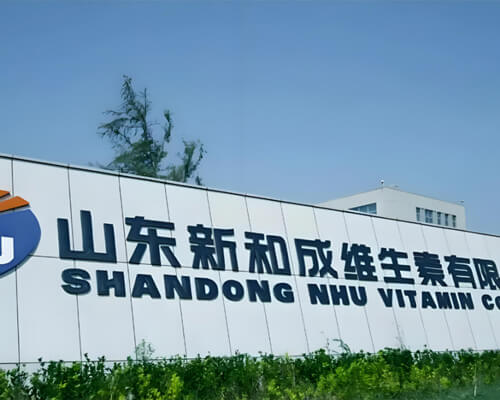
 For those of us working inside a vitamin production facility at SHANDONG NHU VITAMIN Co., Ltd., every day amounts to something bigger than a single batch or shipment. Our job begins with the daily sights and sounds: the hum of reactors, the careful measurements checked by our lab teams, and the unmistakable smell of raw materials transforming through synthesis and quality control into recognizable nutritional products. As the company’s manufacturing team, our work is defined by real challenges and decisions with consequences: yield, purity, consistency, and reliability. We have moved past early trial and error. Tough days showed us that tried-and-true process control reduces batch variability more than any sales pitch ever could. Trust never comes from a label—it comes from hands-on troubleshooting, continuous skills training, and the willingness to admit every mistake before building better from those lessons.  People sometimes focus on vitamin specs, but on the factory floor, every small improvement comes with hundreds of hours of testing, recalibration, and team effort. Raw materials keep us busy, because their slight fluctuation even from the same supplier sometimes produces measurable changes in our output. Reliability doesn't happen without real investments in advanced equipment and practical know-how. Traceability forms the backbone of our operation—without it, errors in raw material type or origin would ripple throughout the batch, risking non-compliance and financial loss. Years of exporting to customers who visibly check paperwork and documentation have hammered home how important this is. Overlooking even a minor deviation during a critical manufacturing step results in costly waste. Our staff remembers these lessons every shift. No inspection can fix a bad production run after the fact; prevention, with clear documentation and good habits, genuinely prevents problems.  Production demands shift. Our schedules have carried us through swings generated by global market conditions, regulatory changes, and supply constraints from overseas. Instead of riding on speculation, our factory prioritizes stable sourcing agreements with trusted long-term suppliers. We test every shipment for compliance before it enters the warehouse. Each campaign must adapt based on available raw materials and process performance; no batch is allowed to move forward if it fails internal release criteria. Changes in regulation—like limits on residual solvents in finished vitamins—require real investments in new treatment steps, extra analytical checks, and frequent reviews of standard operating procedures. The manufacturing team has faced pressure to cut costs or push greater output for the benefit of buyers. Still, those shortcuts do not outlast scrutiny: A rush yields short-term gains with longer-term headaches. For major export contracts, any deviation in delivery timeline hits our bottom line hard, so reliability in daily operations matters. We approach every new process or product as a direct extension of our plant’s reputation, not just a new revenue stream.  Very few outside the facility realize how environmental pressures shape every decision, from the choice of packaging to emissions monitoring. As regulations in China and abroad tighten on chemical waste, we have invested heavily in cleaner solvent recovery, closed-loop cooling systems, and continuous waste monitoring. Our experience makes clear that managing byproducts responsibly reduces both risk and future liability; ignoring waste means exposure to fines, inspections, and reputational harm. Solvent odors, for instance, don’t just affect the production team. When there is even a hint of a leak, we respond immediately—not because a policy says so, but because that respect for those who live nearby matters to us as workers. Audits from both domestic and foreign partners have shaped improvements over the last decade. We have taken real steps to cut energy use by updating older equipment—practical upgrades that drop utility costs long before they make headlines. External recognition comes slowly, but the employees believe in these changes because we see the difference with our own eyes.  Working directly in manufacturing means confronting skepticism from customers and regulatory authorities both inside China and internationally. Our response is to provide clear, detailed batch records, open lab result books, and real-life facility inspections. Every certificate we provide follows analytical data, not just regulatory templates. Over the years, partnering with independent auditors and cooperating with customer-led site visits has strengthened our internal discipline. The plant’s management pushes for a learning culture: GMP training, weekly discussions about near-misses, sharing experience across shifts—real things that ground our system in transparency, so that quality becomes part of routine, not an occasional check. Where some see regulation as paperwork, our experience shows that clear recordkeeping shields us from repeats of past mistakes, provides our clients peace of mind, and offers employees confidence to engage with their work openly and honestly. Trust only grows with tangible results: batches that pass not after repeated rework, but right on the first try.  Every vitamin shipment from SHANDONG NHU carries our company’s name and reputation, but also a real sense of responsibility to consumers. We know costs pile up at every level: raw materials, utilities, labor, packaging, logistics, compliance. Cutting corners in production introduces downstream risks, from subpar flowability to failed regulatory inspections at customer sites. The answer comes from investing in technical staff, forefront control systems, and evidence-based improvements. We have faced years in which price pressure forced us to find leaner approaches—energy recovery from process heat, local sourcing, innovations in drying and packaging. None of these moves succeeded without direct observation, repeated pilot runs, and close involvement by our front-line technicians. Where health and nutrition form the goal, every step counts. To us, this is not a marketing claim or slogan. It comes from knowledge built shift after shift, year after year, watching demand for quality and certainty increase, and responding with practical, measurable effort.  Because global trends move quickly, our adaptability as a manufacturer shapes both the company’s present and our long-term future. Experiences during the pandemic reinforced just how tightly global supply chains are connected. Border shutdowns led to new logistical headaches that only constant teamwork lessened. Keeping daily production steady through times of volatility meant holding fast to practical core principles: traceability, real-time process controls, and internal auditing. Our team’s response evolved: cross-training workers in multiple roles, investing in higher inventory on critical inputs, and relying on practical digital solutions for remote auditing and documentation. These are not stories from a guidebook—these are lessons etched into the daily routines of everyone on our lines. The future of vitamin manufacturing belongs to those who blend technical skill, responsible management, customer-facing transparency, and steady investment in people. CONTACT INFORMATIONWebsite:https://www.zhejiang-nhu.com/Phone:+8615371019725Email:sales7@bouling-chem.com

Read More
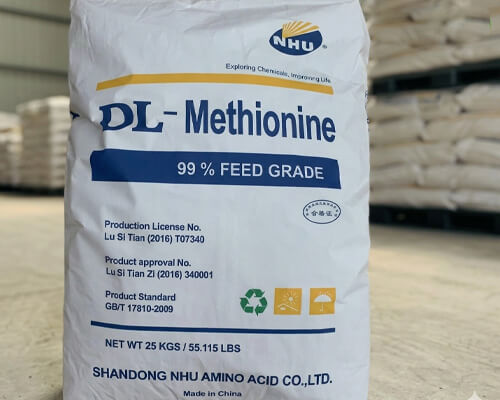
SANDIMET (Sheng Yimei) 99% Feed Grade DL-Methionine
2026-05-08

SANDIMET (Sheng Yimei) 99% Feed Grade DL-Methionine

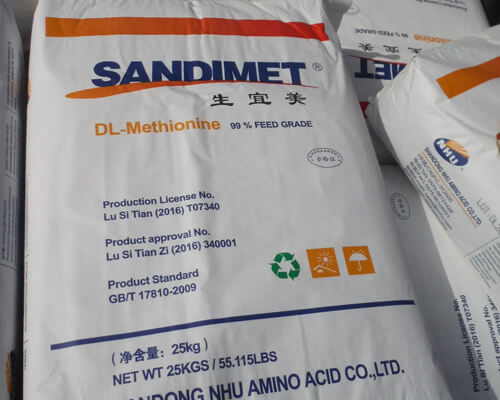
In the world of livestock nutrition, methionine is more than a commodity. As manufacturers, we see every day how tightly farmers, feed mixers, and nutritionists depend on consistent, high-quality DL-methionine. What many outside the industry might not realize is the critical role methionine plays as a limiting amino acid. Shortfalls in methionine reduction lay out directly in poorer growth rates, weaker immunity, and higher feed conversion ratios for poultry, swine, and aquaculture. Our focus runs deeper than simple meeting of demand. It’s a commitment to preserving animal health, maximizing feed resource efficiency, and helping the global food industry tackle its sustainability dilemmas.On the production line, delivering a 99% feed-grade product takes focus at every step. Raw material sourcing sets the tone—impurities at this stage ripple through the process, so we have to lock in reliable upstream partners and use continuous incoming lot testing. From there, precise reaction conditions in the synthesis train matter; temperature swings or reagent imbalances impact amino acid integrity and yield, which can cause downstream headaches for blenders and compounders. This hands-on quality assurance doesn’t stop once the powder leaves the mixing step. Every final lot heads through a battery of analytical checks: purity scans, moisture analysis, and verification that particle size meets agreed packdown specs—critical for ensuring a product that won’t cake or segregate in premixes. An overlooked problem at this stage—airborne moisture, cross-contamination, even packaging faults—risks consequences downstream. End users judge by how well methionine disperses in their own mixing systems, and how consistently animals respond in the barn or on the fish farm.From a technical point of view, there’s no shortcut to 99% grade. Years of process refinement have helped us control reaction efficiencies, solvent recovery, and crystalline purity. We combine automated continuous monitoring with spot checks run by experienced line technicians, because a machine alone can’t spot the subtle changes in smell, color, or texture that sometimes signal a shift in batch quality. We tweak drying times to match humidity; we batch test packhouse environments through seasonal swings. Transparency around these controls supports both food safety and supply reliability—qualities buyers rely on in an era where traceability matters more than ever.As global demand for animal protein rises, methionine shortages or dips in quality put entire livestock production chains at risk. Poultry, in particular, needs methyl donor supplementation to translate plant-based feeds into efficient meat or egg output; modern formulations rely on precise dosing curves to push weight gain, reduce fat deposition, and support reproductive performance. Precision matters for methionine far more than for some micro-ingredients. An inconsistent spec leads to over- or under-fortification, either wasting resource or inviting suboptimal results. Premier integrators and global feed brands test incoming shipments rigorously, and trust grows slowly—but falls quickly if surprise analytical numbers or off-odor batches show up in downstream feeds. From the manufacturing viewpoint, each drum, bag, and shipload of DL-methionine is a direct line to the final animal performance data. We read industry trials and talk with feed mills about the effects of ingredient substitution, particle reactivity, or premix stability. That feedback shapes our process tweaks, not just the sales pitch.Concerns over raw resource constraints, tightening environmental regulations, and shifting trade policy weigh heavily on chemical manufacturing. Producing feed-grade amino acids at high purity level is energy- and capital-intensive. Many regulatory agencies now look at carbon footprints and effluent controls even for products considered 'generally recognized as safe.' Achieving tighter environmental compliance means re-investing in heat recovery, solvent treatment, and waste stream management, adding cost pressures that must be managed without compromising product quality or downstream animal safety. Transport disruptions—whether from pandemic, war, or shipping bottlenecks—threaten delivery timelines, so we plan inventory buffers but also invest in real-time tracking and risk mapping. Counterfeit or contaminated material doesn’t just threaten profits, it puts food safety at risk and damages trust in global supply relationships.There are no magic formulas to these industry pressures. We’ve built forward by anchoring long-term partnerships with both raw suppliers and key end customers. These relationships help smooth sudden market disruptions or price shocks, allowing us to stay transparent and adapt order schedules, rather than chase the bottom-dollar spot market that can invite quality drift. On our lines, we make ongoing upgrades to both process automation and human training: a senior technician with a decade of hands-on troubleshooting carries knowledge that isn’t in textbooks, and transferring those skills to those who come after is critical. We engage independent labs for regular third-party testing, both to verify internal results and to serve as an early warning if an issue begins to emerge. Safety is folded into every operator’s daily checklist. Real-world experience—handling leaks, fixing filtration snags, dealing with dispatch interruptions—teaches far more than theoretical guidelines, and it’s these lessons that we try to pass through the generation of manufacturers. This responsibility extends beyond factory gates; we participate in feed additive safety workshops, give talks on traceability, and open our processes to audits by food standards authorities so that confidence in DL-methionine’s quality and safety remains unshaken by rumor or market volatility.The story of feed-grade methionine isn’t just about meeting a nutritional requirement. From the manufacturer’s side, it’s a daily intersection of science, regulation, and basic food security. Our plant workers, lab analysts, and engineers all play vital roles in safeguarding quality and consistency. The nutrition of billions of animals begins with our attention to detail, our transparency, and our willingness to listen—not only to buyers, but to the realities seen on farms that depend on every batch we ship out.

Read More
Shandong NHU Fine Chemical Science and Technology Co., Ltd.
2026-05-11

Shandong NHU Fine Chemical Science and Technology Co., Ltd.

 In chemical manufacturing, factories measure progress by more than scale or shortcuts—they measure it by the rigor behind each batch and the relationship between lab insight and factory execution. Colleagues who work directly with synthesis or purification see value in patience and process. Looking at Shandong NHU Fine Chemical Science and Technology Co., Ltd., it’s clear that successful firms recognize the difference between running a production line and shaping an industry’s trajectory. We often watch new entrants focus on quantity, but real growth in chemicals comes from consistent yield, controlled conditions, and deep patience for trial and error. In fine chemicals, there’s hardly ever room for errors or underspecified procedures. Raw materials often vary in subtle ways that competitors miss when trying to rush an order; trained teams with eyes on purity and side reactions make the difference between reliable product and recalls.  Clients ask about our inspection protocols and traceability before order volume or discounts, and this reflects how chemical buyers frame risk. Our QC inspectors stay on their feet, sampling intermediates, verifying identities, calculating impurity profiles, and tracking process deviations—often with tools and protocols built up from decades at the reactor’s side. No machine replaces the judgment of a trained tech recognizing a deviation from the norm, such as a faint color or odor, that signals impurities. Factories like Shandong NHU must stay vigilant against raw material contaminants or changed specifications from new suppliers. Each production campaign becomes a live demonstration of process memory and attention to batch records. Stronger producers constantly assess their upstream dependencies; even a subtle shift in input concentration from a supplier can force weeks of troubleshooting down the line, sometimes involving late-night calls and quick reformulation.  Trends in the fine chemical industry push producers to stay adaptable, working around price swings, regulatory changes, and shifting customer expectations. For instance, environmental inspections in Shandong province push manufacturers to review emissions management and waste reduction strategies well ahead of government deadlines. In our experience, the environmental footprint cannot be left for annual audits; every week, teams review wastewater concentrations, solvent recovery yields, and energy use patterns to get ahead of batch deviations. Community and government scrutiny now reach deep into daily routines, showing clearly that chemical manufacturing is no longer hidden behind factory gates. Sites that pay consistent attention to emissions controls and solvent recovery outlast competitors who only prepare for inspections once pressure rises. On our lines, waste reduction projects and byproduct valorization receive the same attention as capacity expansion, since both speak to our ability to operate continuously when regulation or public expectations shift.  Training new operators is a constant challenge in any chemical plant, but some companies build deeper skills transfer programs. In reality, the best safety performance comes from hands-on habit, not paperwork. In our facilities, many workers have developed a sense of preemption—they spot leaks from pump seals and changes in reactor behavior almost instinctively after years of experience. Companies like Shandong NHU understand clearly that turnover or inconsistent training is more than a paperwork issue—it threatens uptime, product reliability, and worker wellbeing. Upskilling happens through close apprenticeship, not just training modules. Pairing junior operators with veterans drives better response to emergencies and less waste during startup, since practical knowledge never fully fits into operating manuals. In our circles, safety drills and reviews never interrupt production; instead, they blend into daily routines, shaping every pump check and material transfer.  Manufacturers know that end-use performance sets the boundaries for specification refinement. When downstream partners face stricter requirements—a new impurity threshold in pharma, a batch-to-batch consistency demand in coatings—it forces upstream factories to rethink process controls and communication. Shandong NHU and its peers feel the pressure firsthand as market demand shifts from basic compliance to robust, measured consistency. The trust we build through technical support, prompt batch reporting, and open-root-cause analysis translates into long-term agreements rather than spot trades. Real customer support entails walking their teams through process changes, explaining minor spec shifts, or running pilot batches for their trials, even at the cost of workflow disruption in the short term. Strong partnerships often start with a quality issue; the response and willingness to pull apart a batch record with end users mark the difference between a transaction and a true partnership.  Ideas for process improvement and new product lines usually begin in production, not in distant research departments. Hands-on technologists notice bottlenecks—catalyst performance limits, solvent handling slowdowns, or new filtration requirements—long before upper management hears of them. Efficient factories foster feedback loops between operators and technical chemists so that real pain points become new projects and not repeated headaches. Shandong NHU’s approach of integrating process engineers with production teams mirrors this. We have found that quality upgrades, de-bottlenecking, or new grade launches only succeed when those who run the lines from day to day weigh in at the trial stage. Companies that silo innovation in offices rarely advance as quickly as those encouraging operators to join problem-solving groups or test equipment upgrades.  Competition from overseas reaches every domestic market, pulling cost structures into sharper focus. Competing with imports, we focus on factors that affect manufacturing cost: yield stability, machine uptime, utility efficiency, batch changeover speed, and losses along the value chain—not just raw material price swings. Our teams constantly review KPIs like solvent use per ton, waste generated per campaign, and time between maintenance shutdowns. The best improvement projects come from shift leads and maintenance heads, who see small inefficiencies compound week after week. We learned early that scale economies offer advantages, but local market knowledge, flexible batch size, and personal support often help to retain core business. Developing export business relies on the same attention to documentation, logistics reliability, and strict regulatory compliance needed for domestic accounts, but the reputational risks are steeper when failures cross borders.  Manufacturers succeed in fine chemicals by building operational memory, respecting the complexity of each reaction train, and responding quickly to new risks or regulatory mandates. Shandong NHU’s performance points to the impact of sustained investment in real teams and transparent processes. Long-term growth in this sector never favors shortcuts; instead, it rewards those who place patient trust in laboratory discipline, continuous training, and open partnerships throughout the value chain. Only then does a manufacturer become more than a supplier—they become a reference point for predictable quality and lasting industry relationships. CONTACT INFORMATIONWebsite:https://www.zhejiang-nhu.com/Phone:+8615371019725Email:sales7@bouling-chem.com

Read More
NHU HOLDING GROUP CO., LTD.
2026-05-11

NHU HOLDING GROUP CO., LTD.

Anyone who’s been in the chemical industry for a decade or more knows that true progress shows up in the persistence of change. My vantage point from inside a manufacturing facility reminds me daily that companies with staying power often share common DNA: they invest in technology, put serious effort into supply chain robustness, and make the kinds of decisions that aren’t simply about next quarter’s numbers. Watching NHU HOLDING GROUP CO., LTD. move over the last few years brings to mind these same markers of resilience and foresight, and their trajectory has sparked conversation on our factory floor more than once. Their expansion into segments like nutrition, pharmaceuticals, and specialty chemicals stands as a signal of how the chemical industry can reinvent itself even as global pressure points mount.My role has put me through countless process reviews, troubleshooting sessions, and late-night production runs, and it’s clear that driving product quality isn’t a job for the faint-hearted. Every batch tells a story, with variables like purity, trace contaminants, and consistency surfacing as constant concerns. NHU’s efforts to modernize core chemical synthesis and invest in vertically integrated production lines speak to the value of controlling every step from raw inputs through to finished goods. Achieving product traceability and minimizing impurities isn’t just wishful thinking—it’s a grind. When someone asks why another manufacturer’s track record matters, I point to the direct relationship between process discipline and end-user safety. In a world expecting transparency and predictability, this operational commitment translates directly to customer trust.Facing today’s energy costs and emissions rules, chemical manufacturers feel the squeeze. Real progress comes when companies find concrete ways to shrink carbon footprint and waste, not just polish up a sustainability report. NHU’s public investments in energy-efficient plants and renewable inputs cement their name on a shortlist of players taking real-world steps, rather than issuing vague promises. Here on our lines, each upgrade—whether a new catalyst with lower waste or a shift toward closed-loop water recycling—requires buy-in from both engineers and operators. These changes cost money, chew up time, and introduce risk. Laying out capital for greener practices always comes with a bit of pain, but NHU’s expansion into green chemistry and low-impact manufacturing tells other producers that the payback in long-term survival might override next quarter’s bottom line.Workforce skills form the backbone of any manufacturing operation—robots and automation have reached further, but experienced eyes remain critical. Building out research teams, safety committees, and continuous improvement efforts is not fancy corporate jargon; it’s what actually holds production targets within reach. Our people spot anomalies, make judgment calls during process hiccups, and troubleshoot digital tools—real expertise passes from older hands to new recruits, keeping the place running safely. When NHU started pumping money into R&D and cross-training, it didn’t just chase patents and statistical process control—it invested in workforce resilience. At plant level, this means fewer disruptions and fewer safety incidents, because people solve problems that can’t be predicted in any manual.Global trade turbulence emphasizes another hard-earned lesson: always know where key inputs come from, and always have a fallback. Shutdowns, tariffs, pandemic disruptions, and shifting regulations have shown that a single broken link can mean idle lines and delayed shipments. Manufacturers like us watch how companies like NHU handle raw material sourcing and distribution, noting where local partnerships are developed and how logistics are managed. Years ago, supply security felt like an abstract idea—now, it’s the deciding factor between keeping contracts or losing business altogether. In this climate, NHU’s approach to balancing global supply with localized integration deserves attention. It’s not bragging rights; it’s survival.Regulation has never been gentle to the chemical sector. Each jurisdiction has its own rulebook, and environmental authorities increase testing requirements and reporting standards all the time. Implementation eats up engineering hours and can delay product launches, but those able to design compliance into their systems from step one stay ahead. Reading about NHU’s continued focus on lab testing, third-party audits, and staying current with international certifications makes sense. At our facility, regulators invest time unannounced—audits don’t start with a warning, and preparedness is measured over years, not months. Committing resources upfront preserves business relationships and ensures exported goods stand up to scrutiny, avoiding recalls and enforcement headaches.As the world pivots to higher-value chemicals and tightens rules on older commodities, the industry only becomes more demanding. Innovation isn’t just about lab coats and new molecules; it’s in better batch control, adaptable reactor setups, and smarter waste treatment. Every time a competitor launches an upgraded process or formulates better product stability, it nudges the whole market forward. Our team reviews new patents and pays attention when competitors like NHU enter new product spaces. Their switch into animal nutrition, pharmaceutical intermediates, or high-performance polymers isn’t just chasing market hype — it pushes us to reassess our project timelines and R&D budgets because staying still means falling behind. We respect companies willing to risk on unfamiliar game boards because their progress pressures everyone else to improve.Customers have grown savvier as well. Brands buying from manufacturers now demand more than volume; they require transparency, ethical sourcing, and lifecycle data right from the start. Long-term relationships hinge on offering real solutions to customer demands around traceability and environmental impact, not just shipping product and hoping for repeat orders. This shift keeps us alert, as customers call for documentation, audits, and chemical fingerprinting, and appear willing to change suppliers if answers fall short. Observing NHU’s movement toward digital traceability and customer engagement brings clarity to why such shifts matter. Modern buyers care about disclosure and reliability at a level inconceivable even five years ago.Looking at the bigger picture, the chemical sector keeps transforming itself. Manufacturers see every shift and readjust, knowing the next storm lies just around the corner. NHU HOLDING GROUP CO., LTD. offers blueprints that competing manufacturers can dissect: invest consistently in technology, focus on operational integrity, commit to greener production, and never treat people as an afterthought. Genuine resilience surfaces through difficult seasons, not calm ones, and those who endure become essential reference points for the global industry. Watching these dynamics unfold pushes us to think harder every day about what it means to make chemicals for tomorrow’s world—safely, efficiently, and with an eye always on the next curve up ahead.

Read More