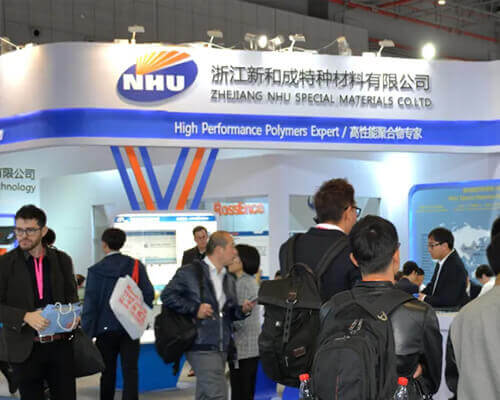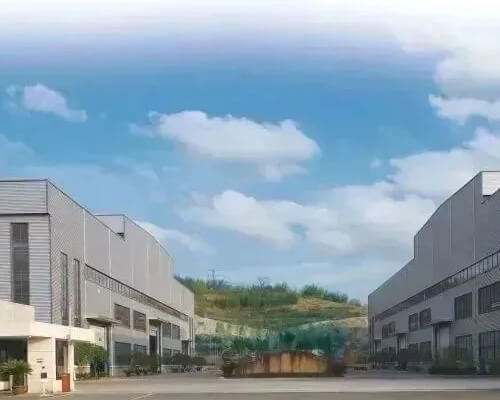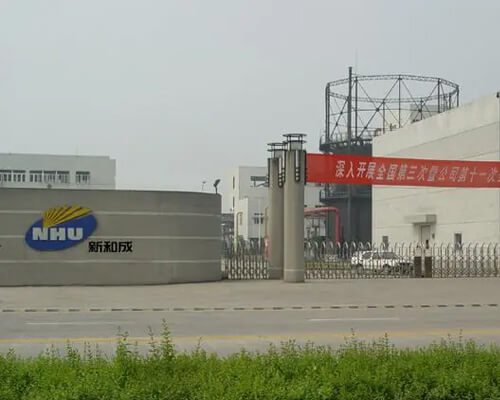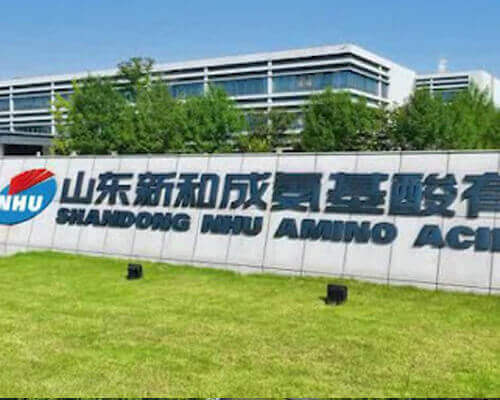
Shandong NHU Amino Acid Co.,Ltd.
Having spent years in the trenches of chemical manufacturing, I come across competitors and collaborators who set the pace for the entire sector. Shandong NHU Amino Acid Co.,Ltd. stands out in the world of amino acid production due to its lasting presence and sheer production scale. The company’s operations push the boundaries on what’s possible with integrated upstream and downstream value chains. Their focus on amino acid fermentation deserves special attention. Large fermentation operations require long-term investments in strain development, vessel design, and reliable process engineering. Real progress comes from hands-on risk—constant attention to nutrient balances in broths, reliable real-time analytics, and the grit to scale from pilot fermenters to full production. NHU has reached the sort of technological depth that signals serious commitment rather than short-term opportunism. Anyone producing amino acids at scale knows that technical finesse isn’t enough. Stringent environmental laws and evolving food and pharma regulations mean the weakest link—be it process waste, emissions, or product purity—can trigger rework or plant shutdowns. NHU’s moves toward greener processes influenced much of the regional and global competition. For example, lowering organic waste in effluent streams forced everyone, including us, to rethink water treatment and recycling logistics. Installing closed-loop solvent recovery, automating clean-in-place, and adding advanced oxidation units are expensive but necessary for meeting market and municipal requirements. NHU’s investments in such systems mirror the reality for any forward-looking amino acid manufacturer. Companies that cut corners face mounting costs later, whether in fines, recalls, or customer distrust.Markets for amino acids shift quickly. Food fortification, feed additives, and specialty pharma all place tough demands on consistency and scalability. Keeping up with this volatility requires a supply chain built to withstand raw material price swings, shipping delays, and sudden changes in regional demand. NHU’s integration of sourcing, fermentation, extraction, and formulation enables faster response times. That means less downtime waiting for imported starting materials or fretting about contaminated stock. This sort of operational stability doesn’t come from luck but from dogged pursuit of local supplier relationships, re-engineering warehouses to reduce stockouts, and keeping production staff trained in process adaptation. These lessons ring true in every plant where we’ve tried to balance customer demands with the real limits of chemical manufacturing.NHU’s influence extends into the technical side of the business, not just production volume. Advanced understanding of amino acid stereochemistry, chromatography, and crystallization helps separate true specialists from casual entrants. Customer audits now often center on trace impurity profiles, enantiomeric purity, and transparent quality documentation. Those requirements drive capital spending toward better analytical equipment and process controls. Teams like NHU’s help raise industry standards by sharing improvements at conferences and through trade groups. That openness, even when it stems from competitive necessity, makes the entire sector stronger. Our experience shows that technical transparency builds long-term buyer confidence and sharpens everyone’s procedures, especially during regulatory scrutiny.The macroeconomic landscape shapes everyone’s strategic bets. In recent years, RMB fluctuations, tighter global monetary policy, and shifting tariffs have exposed weaknesses in international distribution. NHU’s robust export network makes it a bellwether for reading which trade lanes might become unreliable or which port delays will ripple across the sector. We hear about their buildup of overseas warehousing or shift toward containerized deliveries, and those stories shape our own logistics strategies. For companies like ours, this means forging alliances with local brokers, hedging fuel costs, and building redundancy into shipping schedules. High-volume players serve as unofficial pathfinders for these evolving routes, and when NHU blazes a trail or copes with a disruption, their experience informs our risk planning.Continuous research and training raise the waterline for operational skills industry-wide. NHU’s practice of investing in plant operators, process engineers, and analysts reflects a broader truth—there is no substitute for deep-rooted knowledge gained on the job. Automated systems and digitized data help, but troubleshooting a fermentation stall or identifying a subtle impurity spike still takes practical insight. Seeing NHU employees presented as technical experts makes clear that durable competitive advantage grows from the bench and the shop floor, not just investment in physical assets.Looking into the future, sustainability and supply resilience will keep dominating every strategic discussion. Immediate solutions such as decarbonizing energy inputs, recycling mother liquors, and sourcing biobased feedstocks now move from the realm of “nice-to-have” to operational requirements. NHU’s track record here doesn’t just set a benchmark for competitors—it signals to buyers and regulators that responsible production is possible without sacrificing scale or reliability. As we push our own boundaries—developing novel biocatalysts, exploring circular chemistry, and forging new supplier partnerships—we often measure our progress against these peer achievements.The lessons taken from watching NHU at work add more than competition—they push everyone in the sector to honor the highest technical, environmental, and operational standards. It takes decades of rigor, continuous self-audit, and patient capital to shape sustainable, high-quality chemical manufacturing. Industry-wide improvement always starts with a handful of firms willing to shoulder higher standards and share what they learn, and NHU’s example reminds us all of the value in doing the hardest things the right way.